Mapping the Ripples of Change at the WSYD Moving Symposium
At the recent WSYD Moving symposium, The University of Sydney facilitated a session using Ripple Effects Mapping (REM) – a participatory, interactive method that helps groups collectively tell the story of change. REM captures both intended and unintended consequences, connects actions and events, and surfaces early signs of impact that might otherwise go unnoticed. It’s a visual process that supports reflection and guides future action.
With strong representation from across the WSYD Moving ecosystem, the symposium offered a unique opportunity to capture some of the ripples that have emerged since WSYD Moving began. We also wanted to introduce attendees to the method, explore its usefulness in practice, and consider how it might be adapted for future evaluative activities.
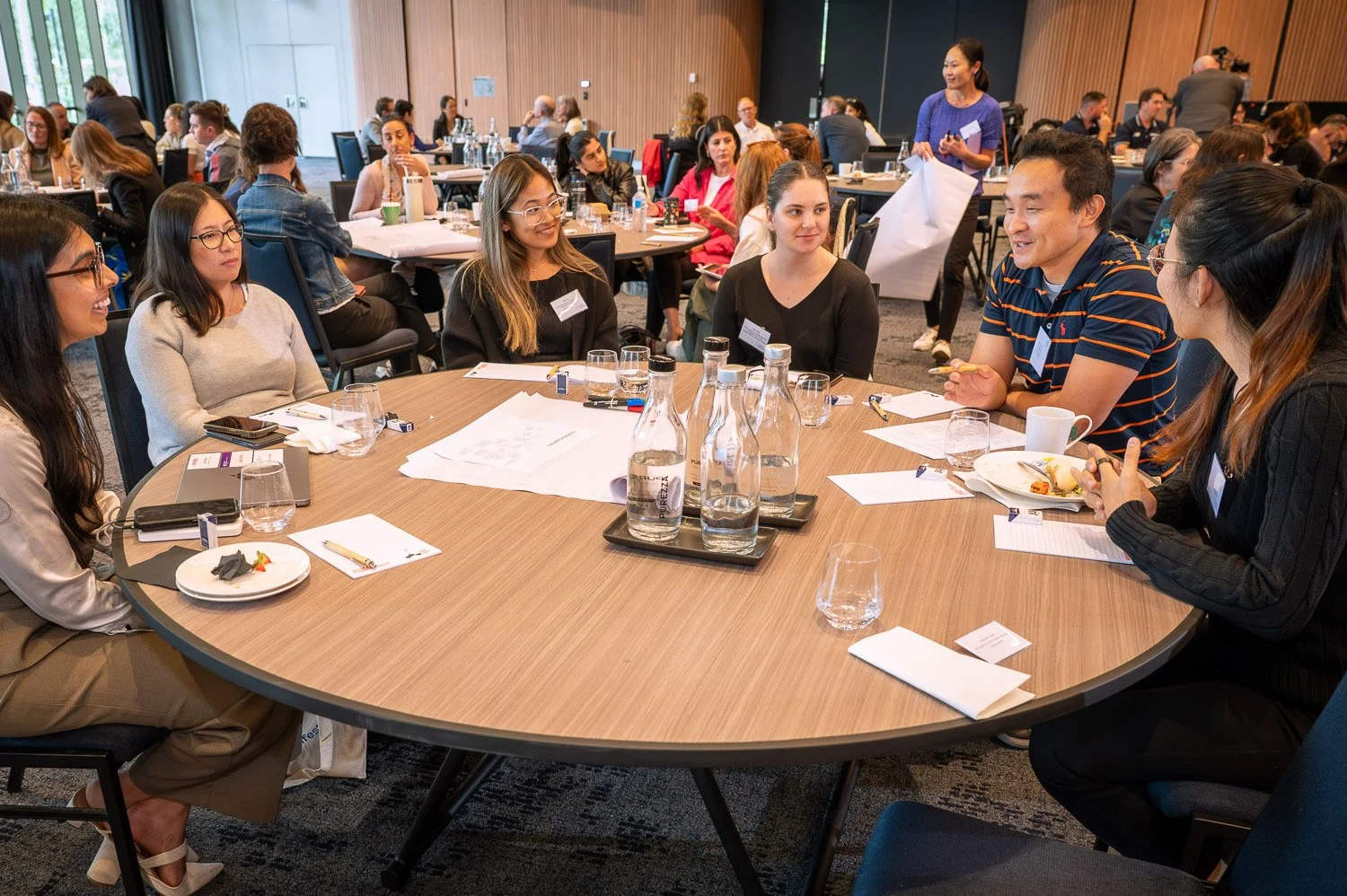
REM discussion in groups
Participants worked in small groups, sharing stories of ripples they had observed or contributed to, while identifying barriers, enablers, and future needs. The energy in the room was encouraging – many embraced the activity with curiosity and openness, leading to lively discussions. While some found it challenging to think in terms of ‘ripples’, the process came intuitively to others, and we were surprised by how much data was generated in such a short time.
The session highlighted ripples extending from the Community of Practice, annual symposium, and Local Active Partnerships (LAPs). Many arose from opportunities to learn about others’ work, shared agendas, and facilitated introductions – all of which enabled new collaborations. We saw evidence of fresh conversations and connections particularly across health, education, and sport sectors which led to identification of synergies and the development of new or expanded programs and initiatives. Importantly, participants noted how seemingly small conversations often become key enabling events or turning points over time.
From this session, REM shows promise as a tool for encouraging reflection, spotting broad patterns, and identifying future needs that can be supported by WSYD Moving. Looking ahead, we will aim to create more opportunities across the system for people to connect, share challenges, identify common priorities, and explore where bold, coordinated action could have the greatest impact across western Sydney.
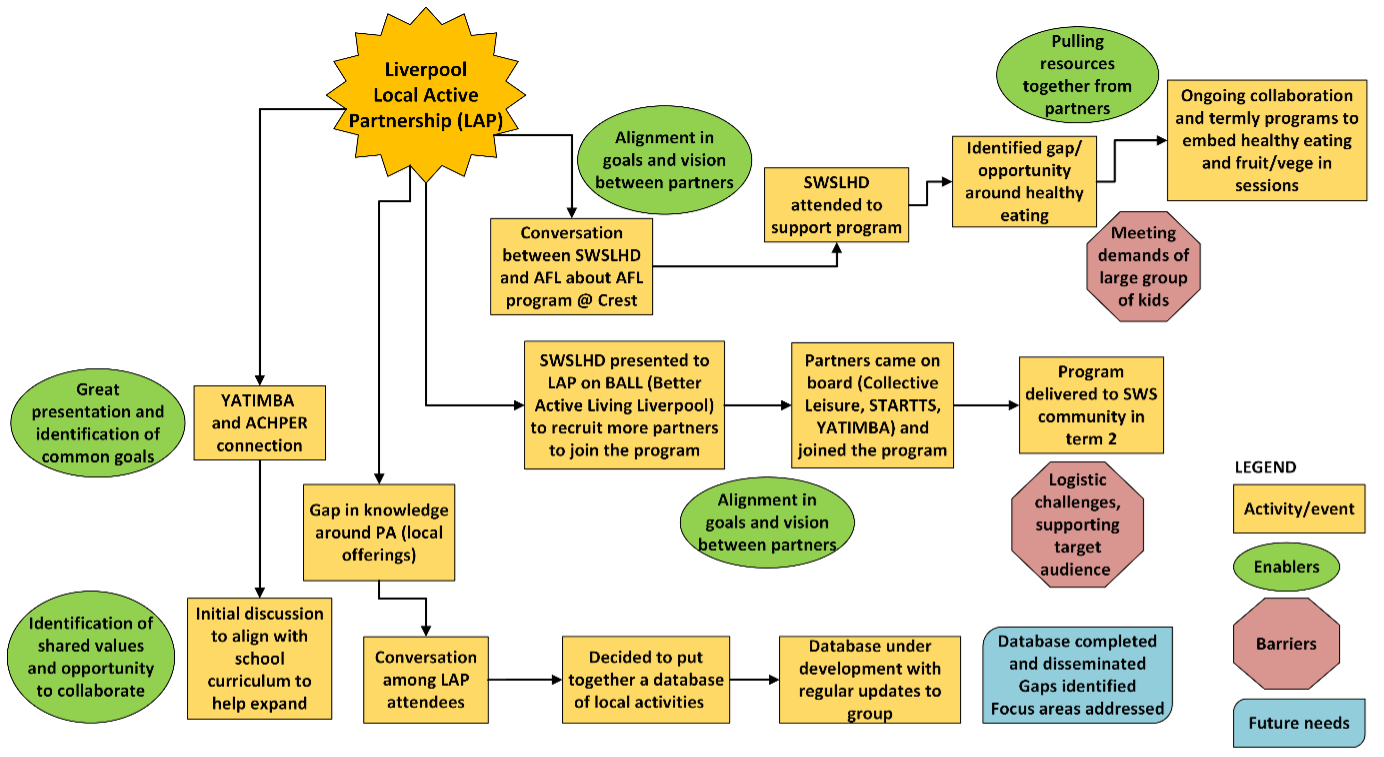
Example of REM output synthesis from The Sydney University.
Liverpool Local Active Partnership Ripple example (one section).
The REM session was led by Dr Yvonne Laird, Tracy Nau, and Dr Binh Nguyen from The University of Sydney, who were also co-authors of this article. WSYD Moving would like to take this opportunity to thank The University of Sydney.
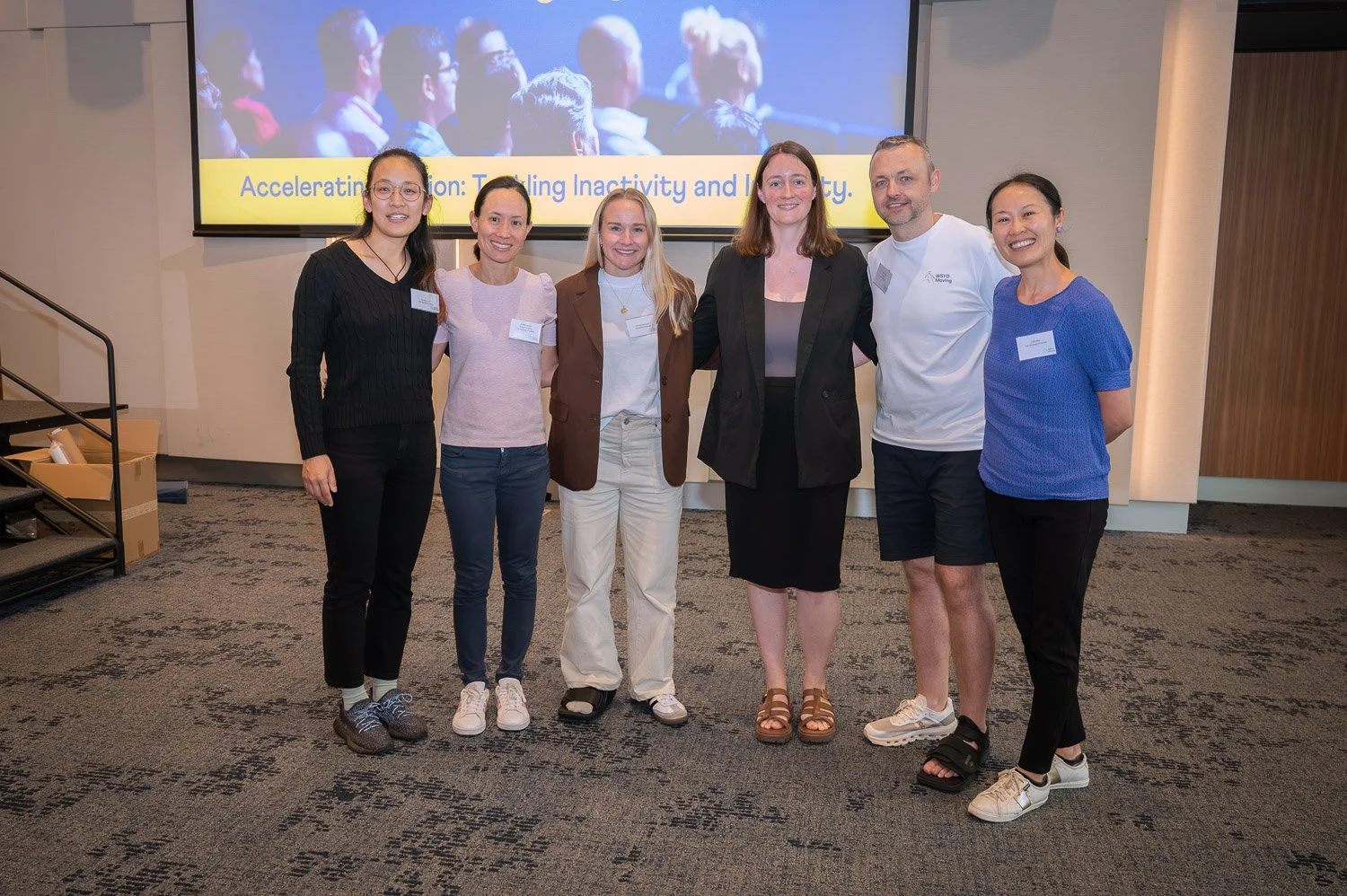
The University of Sydney, The Australian Systems Approaches to Physical Activity (ASAPa+) team and David, WSYD Moving
Left to right Susan Luo, Dr Binh Nguyen, Katherine Owen, Dr Yvonne Laird, David Burns, Tracy Nau